Mastering the Art of Watercolor Painting

Watercolor painting invites you into a world of fluidity, transparency, and vibrant expression. It’s a medium that captures light and emotion with a delicate touch. Whether you’re drawn to soft landscapes or bold abstracts, mastering watercolor painting techniques opens doors to endless creativity. I remember the first time I dipped my brush into a pool of color and watched it dance on paper. That moment sparked a journey filled with discovery and joy. Now, I want to share practical insights to help you embrace this beautiful art form.
Understanding the Basics of Watercolor Painting Techniques
Before you start, it’s essential to grasp the fundamentals. Watercolor paints are unique because they rely on water to spread pigment. This means your brushwork, water control, and paper choice all influence the final piece.
Paper: Choose 100% cotton watercolor paper with a weight of at least 140 lb (300 gsm). This paper absorbs water well and prevents warping.
Brushes: Invest in a few good-quality brushes. Round brushes in sizes 6, 8, and 12 are versatile for most techniques.
Paints: Use artist-grade watercolor paints for richer pigments and better blending.
Start by practicing simple washes. A flat wash covers the paper evenly, while a graded wash transitions from dark to light. These techniques build your control over water and pigment.

Exploring Essential Watercolor Painting Techniques
Once you’re comfortable with the basics, it’s time to explore techniques that bring your paintings to life.
Wet-on-Wet Technique
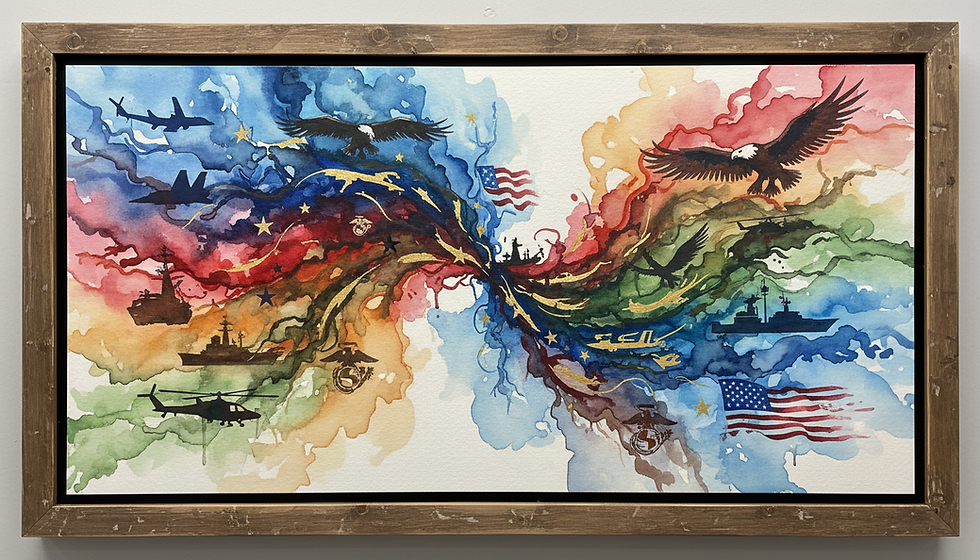
Apply clean water to your paper first, then drop in pigment. The colors will spread softly, blending naturally. This technique is perfect for skies, water, and soft backgrounds.
Wet-on-Dry Technique
Paint directly onto dry paper. This method gives you sharper edges and more control, ideal for details and defined shapes.
Dry Brush Technique
Use a brush with minimal water and paint to create texture. This works well for rough surfaces like tree bark or fabric.
Lifting
While the paint is still wet, use a clean, damp brush or tissue to lift pigment and create highlights or correct mistakes.
Glazing
Layer transparent washes of color over dry paint to build depth and richness.
Try combining these techniques in a single painting to see how they interact. For example, start with a wet-on-wet background, then add wet-on-dry details on top.

Tips for Developing Your Unique Style
Watercolor is as much about personal expression as it is about technique. Here are some ways to nurture your artistic voice:
Experiment Boldly: Don’t be afraid to mix colors, try unusual brush strokes, or use unconventional tools like sponges or salt for texture.
Observe Nature: Study light, shadow, and color in your surroundings. Nature offers endless inspiration for watercolor subjects.
Keep a Sketchbook: Regularly sketch and paint small studies. This practice sharpens your observation and builds confidence.
Embrace Mistakes: Watercolor can be unpredictable. Sometimes, unexpected results lead to your most exciting discoveries.
Reflect on Your Story: Your art can tell a personal narrative. Think about how your experiences and memories influence your color choices and compositions.
If you want structured guidance, consider learning how to paint watercolor through workshops that blend technique with personal storytelling.
Choosing the Right Materials for Your Watercolor Journey
Selecting quality materials enhances your painting experience and results. Here’s a quick guide:
Paper: Cold-pressed paper offers a nice texture for most styles. Hot-pressed paper is smoother, great for fine details.
Brushes: Synthetic brushes are affordable and durable, while natural hair brushes hold more water and pigment.
Paints: Tubes provide intense color, while pans are portable and convenient.
Palette: A mixing palette with wells helps you blend colors efficiently.
Water Containers: Use two containers - one for rinsing brushes and one with clean water for mixing.
Investing in good materials shows respect for your craft and encourages you to paint more often.
Bringing Your Watercolor Paintings to Life
Now that you have the tools and techniques, it’s time to create paintings that resonate. Here are some actionable steps:
Plan Your Composition: Sketch lightly with pencil to map out your design.
Start Light: Begin with light washes and build layers gradually.
Control Water: Adjust the amount of water on your brush to vary transparency and texture.
Use Contrast: Balance light and dark areas to add depth.
Add Details Last: Use fine brushes for highlights and intricate elements.
Step Back Often: Look at your work from a distance to see the overall effect.
Remember, every painting is a step forward. Celebrate your progress and keep exploring.
Watercolor painting is a journey of patience, practice, and passion. Each brushstroke connects you to a tradition of artists who have found beauty in the unpredictable flow of color and water. By mastering these watercolor painting techniques, you open a door to endless creative possibilities. Whether you paint to capture memories, express emotions, or simply enjoy the process, your art will speak volumes.
Embrace the adventure, and let your brush tell your story.

Comments